Navigating Layered Reward Systems: How Bonus Structures in Digital Platforms Guide Players From Initial Offers to Sustained Crypto Table Access
Written by Ellis Friedrich · Jun 14, 2026
Navigating Layered Reward Systems: How Bonus Structures in Digital Platforms Guide Players From Initial Offers to Sustained Crypto Table Access
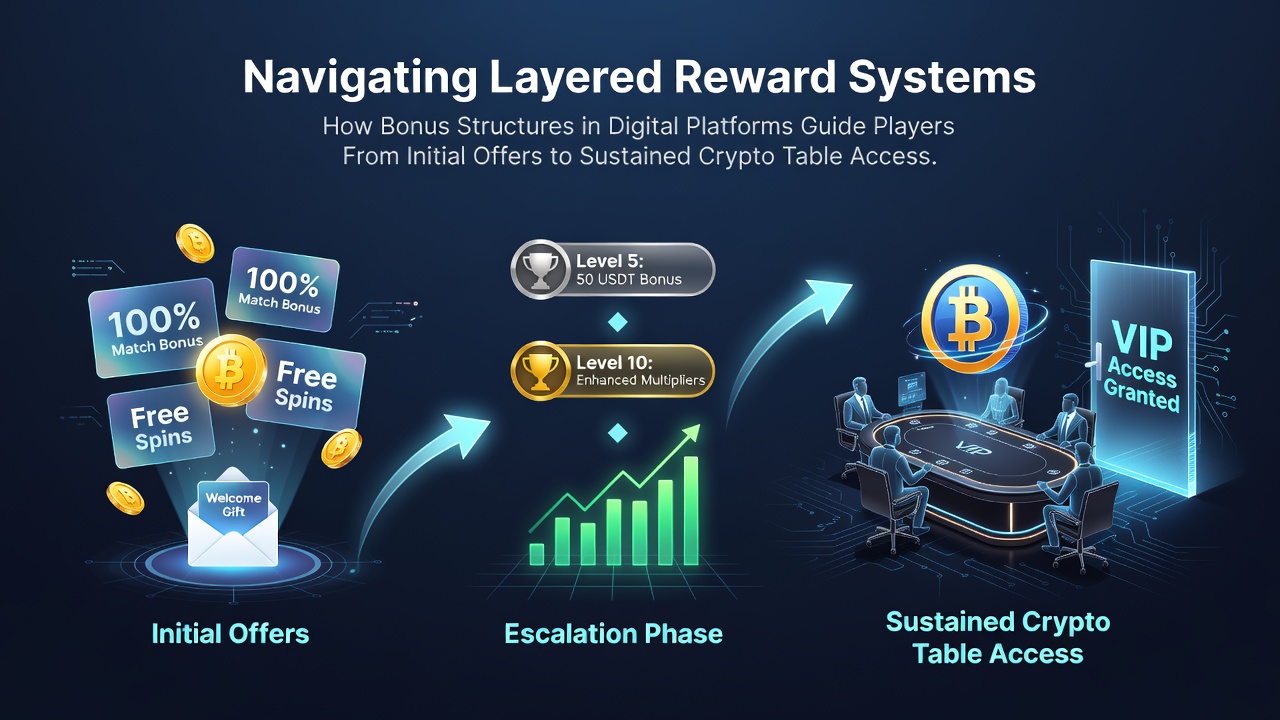
Digital platforms have developed intricate reward structures that start with basic entry points and progress toward exclusive access levels, and these systems rely on sequenced incentives to maintain engagement over time. Players encounter initial offers such as deposit matches or free credit allocations that require specific wagering thresholds before unlocking further tiers, while data from industry reports indicates these mechanisms direct traffic toward higher-value game categories including live crypto tables.
Initial Offer Mechanics and Entry Pathways
Platforms typically deploy no-deposit incentives or matched funding packages as the first layer, and these require account verification plus minimal activity thresholds before funds become available for play. Research from the American Gaming Association shows conversion rates from these starters to ongoing participation often exceed 40 percent when combined with clear progression markers, whereas incomplete terms lead to lower retention. Observers note that crypto-enabled sites integrate wallet deposits directly into these offers, allowing seamless movement from onboarding bonuses into table games denominated in digital currencies.
Progression Through Wagering and Loyalty Stages
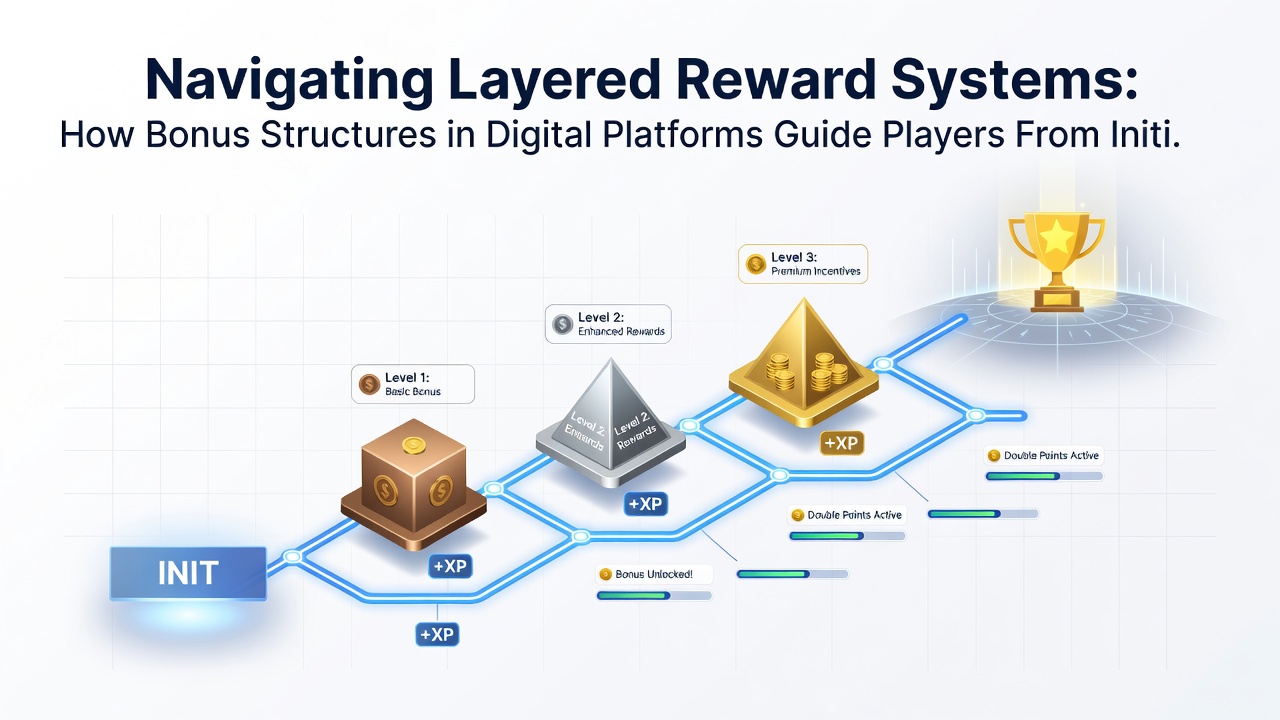
After completing initial requirements, players advance into loyalty frameworks that track cumulative activity across sessions, and points accumulated here determine access to mid-tier benefits such as cashback percentages or accelerated reward multipliers. Studies from the University of Nevada Reno Gaming Research Center reveal that structured point systems increase session length by an average of 25 percent compared with flat reward models, since milestones create repeated targets. Crypto platforms frequently embed these trackers within blockchain-based ledgers, which provide transparent audit trails for both users and operators during the transition from casual play to sustained involvement.
Additional layers activate once players meet volume criteria, unlocking personalized reload packages or event-specific credits that further encourage consistent logins. Figures released by the European Gaming and Betting Association indicate loyalty programs with tiered crypto rewards correlate with higher lifetime values per account, particularly when access to private tables serves as the visible endpoint.
Transition to Sustained Crypto Table Access
Reaching higher tiers grants entry to dedicated crypto tables where minimum stakes align with accumulated status, and these environments often feature reduced house edges alongside tailored support channels. As of June 2026 several major operators have synchronized their tier advancements with new wallet integration standards, enabling instant balance transfers between promotional credits and live dealer sessions. Data from platform analytics consistently demonstrates that users who navigate early layers show elevated participation rates at these exclusive tables, since prior bonuses create familiarity with the interface and rulesets.
Operators adjust thresholds periodically based on aggregate player behavior, and this recalibration keeps the pathway dynamic while preventing stagnation at intermediate stages. Those who study retention metrics note that clear visual indicators of progress, such as progress bars or status dashboards, reduce drop-off during the shift from introductory offers to ongoing high-stakes environments.
Technical Integration and Platform Adaptations
Backend systems combine player tracking software with cryptocurrency ledgers to automate reward distribution, and this integration minimizes delays between completing one layer and accessing the next. Mobile applications now embed these structures within unified dashboards, allowing users to monitor requirements across devices without separate logins. Reports compiled by research firms specializing in digital entertainment confirm that seamless technical flows contribute to higher completion rates for multi-stage programs, especially when crypto transactions occur in real time.
Conclusion
Layered reward systems on digital platforms function as sequenced guides that begin with accessible entry offers and culminate in sustained participation at crypto tables, and the design relies on measurable milestones supported by transparent tracking. Evidence from regulatory and academic sources continues to document how these frameworks shape player journeys across multiple regions, with ongoing technical refinements expected to maintain their effectiveness through 2026 and beyond.