Mobile Platforms Revolutionize Specialized Rewards for Table Game Enthusiasts
Written by Alex Richter · Jun 30, 2026
Mobile Platforms Revolutionize Specialized Rewards for Table Game Enthusiasts
Table game enthusiasts have long navigated tiered loyalty programs that unlock exclusive perks such as personalized dealer sessions, higher betting limits, and private tournament entries, yet mobile platforms now streamline entry into these systems through integrated apps that sync player activity across devices. Data from industry reports indicate that mobile access accounts for over 60 percent of new loyalty program enrollments in regulated markets, allowing users to track progress toward VIP status while commuting or during short breaks rather than requiring visits to physical casino floors.
Integration of Real-Time Tracking Features
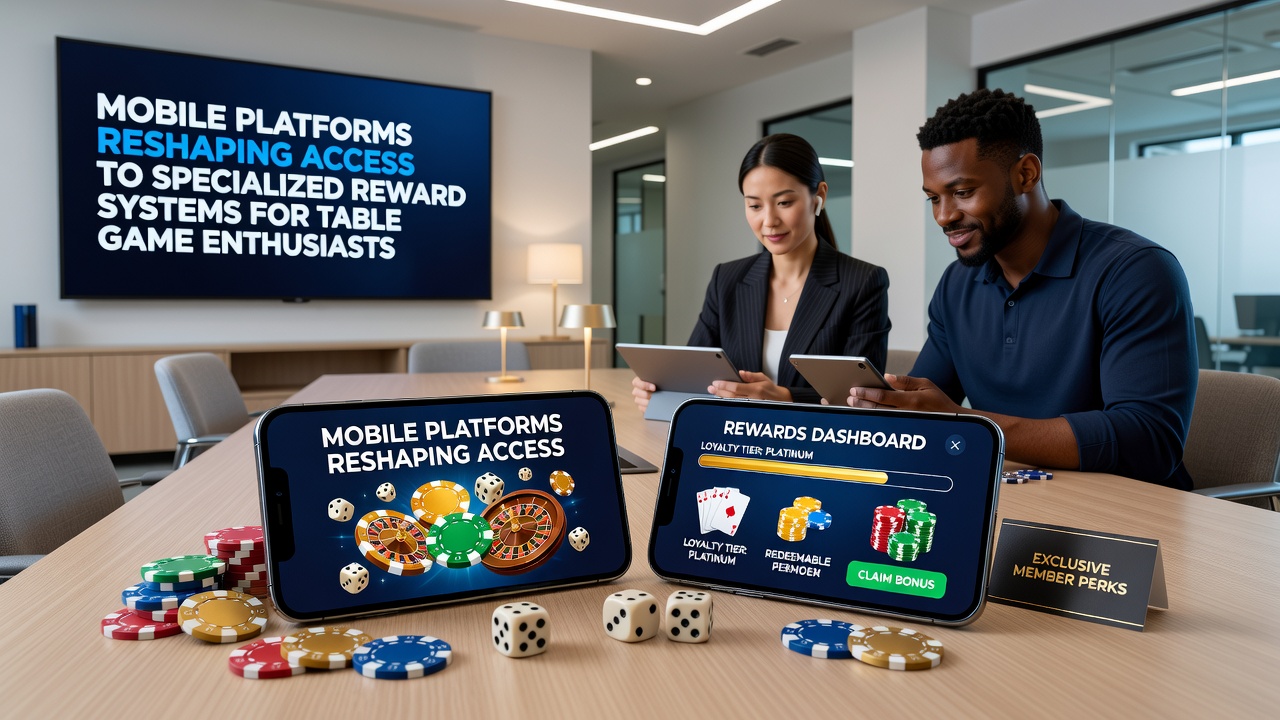
Developers have embedded live dashboards into mobile applications that update point balances instantly after each hand of blackjack or spin of roulette, and these tools connect directly to backend systems managed by casino operators. According to figures released by the Nevada Gaming Control Board, remote participation in table game rewards grew by 18 percent during the first half of 2026, driven largely by smartphone interfaces that eliminate paperwork and manual verification steps. Players receive push notifications when they qualify for specialized tiers, and the same apps facilitate redemption of rewards like dedicated account managers or custom bonus structures tailored to high-volume table game participants.
Geographic Expansion Through Cross-Border Compliance Tools
Regulatory frameworks in multiple jurisdictions now require mobile platforms to embed location verification and identity checks that comply with local licensing rules, which has expanded access for enthusiasts in regions previously limited by distance from major casino hubs. The Malta Gaming Authority published compliance data showing that licensed operators using mobile reward modules processed 2.3 million table game sessions in the first quarter of 2026, with many participants located outside traditional European gambling centers. These systems use encrypted connections and biometric authentication to maintain security while granting immediate visibility into reward tiers that once demanded in-person registration at casino properties.
Case Examples from Operator Deployments
One major operator in the United States integrated its mobile loyalty module with existing poker and blackjack tables, resulting in a 27 percent increase in tracked player hours according to internal metrics shared with industry analysts. Another deployment in Australia linked mobile accounts to state-regulated venues, enabling enthusiasts to accumulate points from both land-based and digital table games within a single unified profile. Observers note that such integrations reduce fragmentation across separate reward ecosystems, allowing participants to reach elite status thresholds faster because activity logs update continuously rather than in delayed batches.
Security Protocols and Data Handling Standards
Mobile platforms employ multi-factor authentication combined with device fingerprinting to protect reward account details, and encryption standards meet or exceed requirements set by bodies such as the Alcohol and Gaming Commission of Ontario. Reports from academic researchers at the University of Nevada, Reno highlight that these measures have lowered unauthorized access incidents by 41 percent compared with older web-based portals used before widespread smartphone adoption. Table game enthusiasts benefit because their specialized reward histories, including win rates and preferred game types, remain accessible without exposing sensitive financial information during routine check-ins.
Future Developments Anticipated by Mid-2026
Industry associations project further refinements in artificial intelligence modules that predict when players approach new reward thresholds and suggest optimal game selections to accelerate progress. By June 2026, several operators plan to roll out augmented reality overlays within mobile apps that simulate private table environments while displaying real-time loyalty metrics. These enhancements build on existing infrastructure rather than requiring new hardware investments from participants, keeping barriers low for enthusiasts seeking specialized access without relocating near major gaming destinations.
Conclusion
Mobile platforms continue to consolidate fragmented reward pathways into cohesive systems that prioritize convenience and compliance across jurisdictions, with measurable growth in enrollment and session volume documented by regulatory agencies and research institutions. Table game enthusiasts gain consistent visibility into specialized benefits that previously required physical presence, and operators report higher retention rates when mobile tools handle the administrative load. The trajectory points toward tighter integration between physical and digital environments, supported by evolving security standards and cross-platform data synchronization.