Integrating Token Rewards with Live Multiplayer Dynamics in Handheld Gaming
Written by Ellis Friedrich · Aug 21, 2026
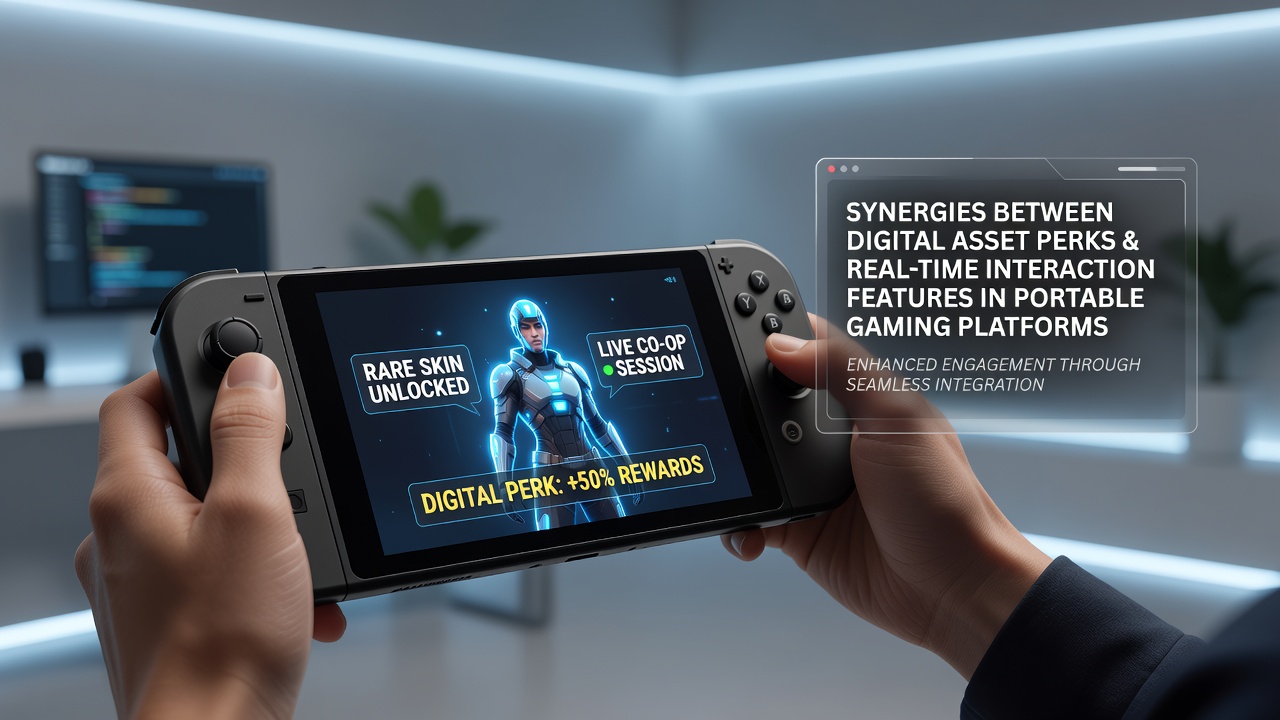
Integrating Token Rewards with Live Multiplayer Dynamics in Handheld Gaming
Portable gaming platforms have expanded rapidly since the early 2020s, with handheld devices now supporting complex ecosystems where digital asset perks intersect directly with real-time interaction tools. These systems allow players to earn and trade tokens or in-game items while engaging in live sessions that update instantly across networks. Research from the Entertainment Software Association shows participation in such features grew steadily through 2025, driven by improved device hardware and cross-platform connectivity standards.
Core Components of Digital Asset Integration
Digital asset perks typically include blockchain-based tokens, non-fungible items, and loyalty points that carry value beyond single sessions. These elements function within portable environments because developers embed wallet connectivity directly into game clients, letting users claim rewards without leaving the application. Data from industry analyses indicate that games incorporating these mechanics see higher retention rates when rewards sync with live events, such as tournament completions or collaborative challenges completed in real time.
Device manufacturers have adjusted hardware specifications accordingly, adding secure processors that handle cryptographic operations alongside graphics rendering. This dual capability emerged prominently by mid-2025, enabling seamless transitions between asset management and active gameplay without performance drops.
Real-Time Interaction Mechanisms
Real-time features encompass live voice chat, synchronized world states, and instant leaderboards that refresh across global servers. Portable platforms achieve these through low-latency protocols optimized for mobile networks, where packet loss remains minimal during extended play periods. Observers note that when digital perks tie into these interactions, such as granting exclusive items for completing live group objectives, engagement metrics rise measurably according to aggregated user telemetry.
One documented case involved a title released in 2024 that linked token drops to live raid events, resulting in peak concurrent users exceeding prior benchmarks by significant margins. The system updated asset ledgers in the background while players coordinated strategies through integrated voice channels, demonstrating how the two layers reinforce each other without requiring separate applications.
Technical Synergies Observed in 2026
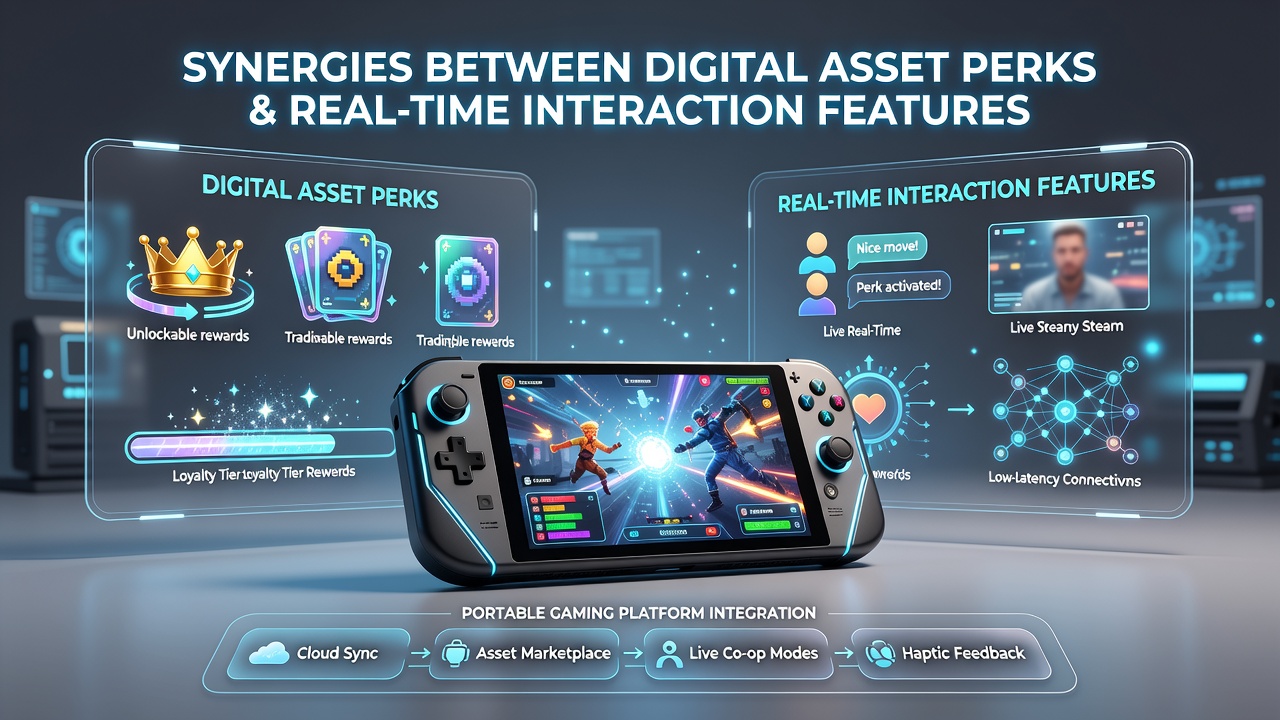
By August 2026, several platforms had adopted unified APIs that merge asset ledgers with interaction engines, allowing rewards to trigger based on live performance data. This approach reduces latency between action and reward distribution, which studies from academic gaming labs link to improved player satisfaction scores. Canadian regulatory bodies tracking digital entertainment reported similar patterns in cross-border usage data, highlighting consistent growth in sessions exceeding thirty minutes when both elements operate together.
Developers achieve these connections through modular code structures that separate asset validation from gameplay logic, yet share event triggers for immediate effect. Such architecture supports updates pushed during active matches, where a player's earned token might unlock a temporary ability visible to teammates in the same session.
Platform Examples and Adoption Patterns
Multiple handheld ecosystems illustrate these integrations at scale. Titles on major mobile operating systems routinely embed marketplace access within live lobbies, permitting trades that occur while matches continue in adjacent windows. Industry reports compiled by European gaming associations reveal that users accessing both features in single sessions account for a growing share of total playtime tracked through 2026.
Hardware advancements play a supporting role here, with newer chipsets handling encryption tasks concurrently with network synchronization. This parallel processing prevents the interruptions once common when switching between reward screens and active play, maintaining flow across extended periods.
Conclusion
Portable gaming continues to evolve through these combined systems, where digital asset mechanics and real-time tools operate as interdependent layers rather than isolated add-ons. Figures from multiple regional sources confirm sustained expansion in adoption metrics, underscoring the technical feasibility achieved by 2026. Future iterations will likely refine these connections further as device capabilities advance and standardization efforts progress across development communities.