Decoding Reward Mechanisms: How Initial Incentives Shape Long-Term Interactions in Virtual Table Games
Written by Ines Günther · May 24, 2026

Decoding Reward Mechanisms: How Initial Incentives Shape Long-Term Interactions in Virtual Table Games
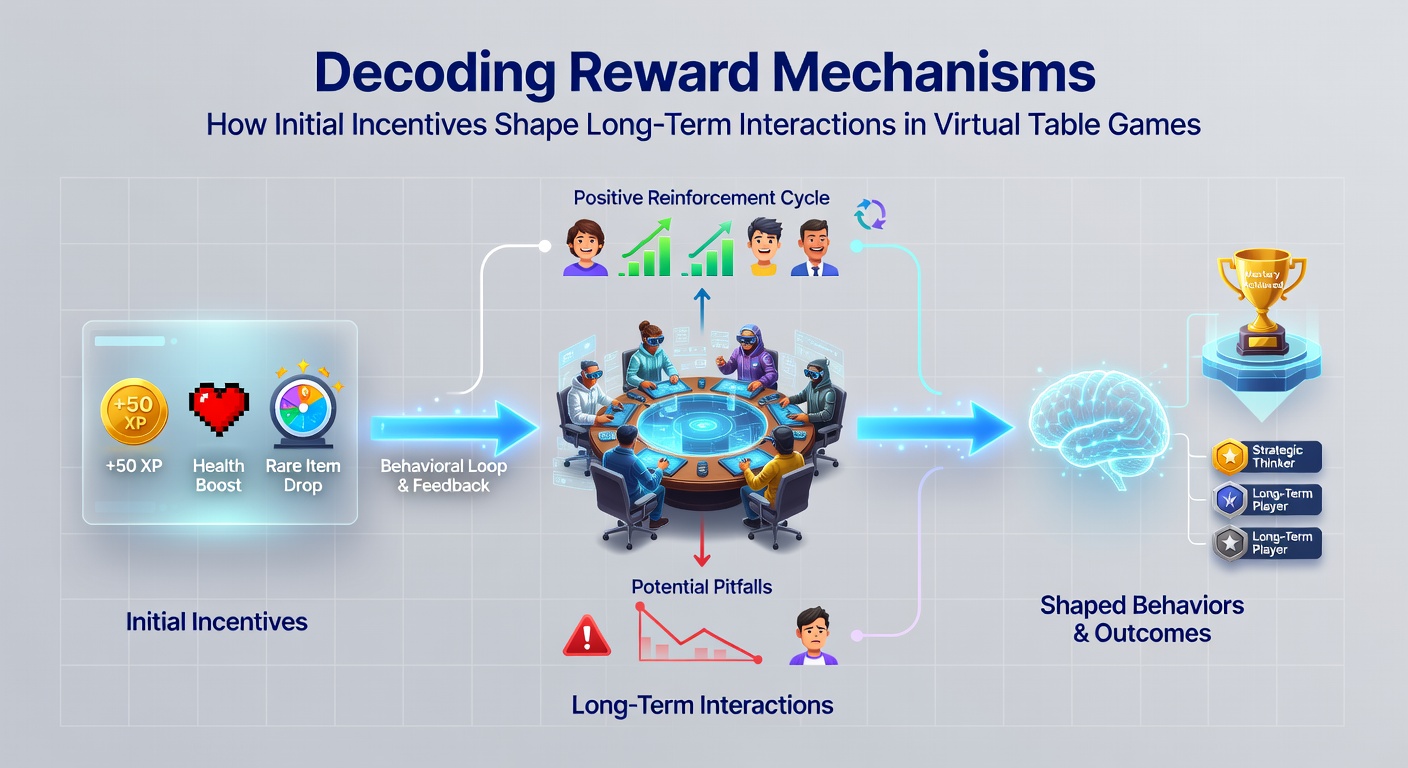
Virtual table games operate through structured systems where early rewards guide player progression from first sessions onward, and these mechanisms rely on targeted incentives to establish patterns of continued engagement. Welcome bonuses, matched deposits, and introductory loyalty credits appear at signup, while the design connects these offers directly to table game activity such as blackjack rounds, poker hands, and roulette spins.
Research from the American Gaming Association shows that initial incentives increase the likelihood of repeat logins within the first thirty days, and this early activity often determines whether players advance into tiered loyalty programs that unlock higher table limits and personalized promotions. Data indicates that players who redeem an opening bonus tend to accumulate more hands or spins over subsequent weeks compared with those who start without such offers.
Core Components of Incentive Structures
Initial rewards in virtual table environments typically combine cashable credits with non-cashable play funds, and these elements serve distinct functions because cashable portions encourage immediate table selection while non-cashable funds extend session length. Operators track redemption rates alongside average bet sizes, and the resulting metrics feed into algorithms that adjust future offers based on observed behavior.
Table game-specific incentives often include rake reductions for poker participants or lowered house edges during promotional windows, and these adjustments create measurable shifts in hand volume during the opening weeks of membership. Industry reports note that such modifications correlate with higher retention when players perceive the value as tied to skill-based decisions rather than random outcomes alone.
Pathways from Early Rewards to Sustained Participation
Players who engage with initial incentives frequently transition into segmented reward tracks that reward consistent table activity, and progression through these tracks unlocks benefits such as priority seating at high-limit tables or exclusive tournament entries. Observers note that the transition occurs because systems log metrics including total rake contributed, average session duration, and game variety explored during the first month.
Long-term interaction patterns emerge when early bonuses introduce players to multiple table variants, and this exposure expands the range of games they revisit later. Figures from Canadian regulatory analyses reveal that diversified early play predicts longer account lifespans, particularly when loyalty points convert into tangible perks that offset normal play costs.
Measurement and Adjustment Cycles
Operators monitor incentive performance through retention curves that plot activity levels at weekly intervals, and these curves demonstrate how bonus structures influence drop-off points after the promotional period ends. Adjustments occur regularly because data streams update continuously, allowing platforms to refine offer values before the next cohort of new accounts activates.
By May 2026 projections indicate expanded use of real-time analytics that link individual incentive responses to broader table dynamics such as seat occupancy rates and average pot sizes. Such integration enables finer calibration where rewards align more closely with observed table preferences rather than generic deposit triggers.
Comparative Outcomes Across Player Segments
High-volume table participants respond differently to initial incentives than casual visitors, and segmentation analysis separates these groups to deliver scaled rewards that maintain engagement without inflating short-term activity alone. University studies on digital gaming behavior indicate that tailored progressions reduce churn rates when players advance through milestones that reflect their preferred game types and stake levels.
Cross-regional data from Australian gambling research centers further shows that incentive designs emphasizing table game milestones produce steadier long-term interaction graphs compared with volume-based reward ladders that apply uniformly across slot and table categories. The distinction arises because table games reward decision-making sequences that accumulate over multiple sessions.
Conclusion
Initial incentives in virtual table games function as entry points that shape subsequent interaction depth, and continued refinement of these systems depends on performance data collected across diverse player cohorts. Regulatory frameworks in multiple jurisdictions require transparent tracking of reward distribution, which supports consistent evaluation of how early offers translate into extended participation metrics. As platforms incorporate more granular analytics, the connection between starting rewards and sustained table activity remains a central focus for operational adjustments.