Decoding Player Strategies for Layering Multiple Reward Types in Digital Gaming
Written by Olivia Berger · Jun 26, 2026
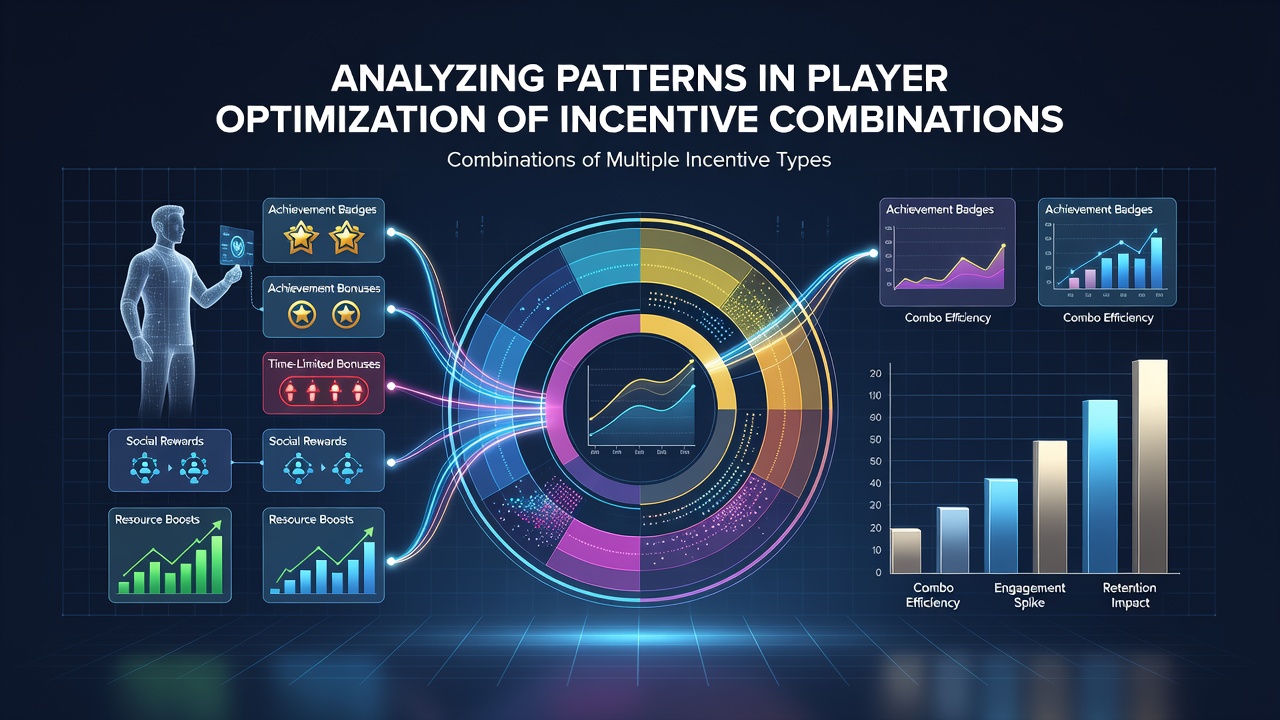
Decoding Player Strategies for Layering Multiple Reward Types in Digital Gaming
Players across digital gaming platforms routinely combine deposit matches, free spin allocations, loyalty multipliers, and cashback structures to stretch their initial outlays further, and recent data from industry tracking services shows clear patterns in how these combinations get sequenced for maximum effect. Observers note that successful optimization often starts with no-deposit elements to test platform mechanics before committing funds, then layers matched deposits timed to coincide with promotional windows that boost overall return rates.
Research from academic groups tracking gaming behavior indicates participants frequently prioritize free spin bundles early in a session because these carry lower risk thresholds, allowing subsequent deposit incentives to activate at higher effective values once initial play volume builds. Data collected through platform analytics reveals that players who stagger cashback redemptions after loyalty tier upgrades achieve retention rates up to 18 percent higher than those who claim rewards immediately, according to aggregated figures released in early 2026 reports.
Common Sequencing Approaches Observed in Practice
One pattern documented across multiple platforms involves claiming welcome packages first, then activating ongoing loyalty rewards during the same login period so that point multipliers apply to both the initial deposit and any free spin winnings. Those who've studied transaction logs find players often reserve cashback offers for later stages of play, using them as a buffer against variance once primary incentives have been exhausted. This approach appears most frequently among users who maintain accounts on three or more sites simultaneously.
Another documented method centers on timing: participants monitor calendar-based events such as weekend reloads or seasonal campaigns, then combine them with evergreen loyalty programs to create overlapping benefit windows. Figures from North American gaming operators show that players who align these elements within a 72-hour window report average session lengths extending by 25 percent compared with non-aligned play.
Regional Variations in Incentive Stacking Behaviors
European markets display stronger tendencies toward mobile-first combinations where push notifications trigger instant free spin claims that feed directly into ongoing deposit match trackers. In contrast, data from Australian regulatory summaries highlights heavier reliance on tiered VIP structures paired with tournament entry credits, creating longer-term accumulation cycles rather than short bursts. Canadian provincial reports from the same period note players favoring crypto-linked cashback layers that convert across multiple wallet types without additional fees.

June 2026 brought fresh platform updates in several jurisdictions that introduced cross-game loyalty points, allowing users to transfer value between slots and table titles while maintaining separate cashback thresholds. Analysts tracking these changes observed immediate upticks in multi-incentive sessions, with some operators reporting a 12 percent rise in stacked reward redemptions within the first two weeks of rollout. External observers tracking similar shifts in the United States point to state-level data from the Nevada Gaming Control Board that shows comparable layering behaviors among users accessing both online and retail environments.
Platform Design Influences on Player Choices
Design elements such as unified wallets and real-time progress trackers encourage players to maintain multiple active incentives without manual switching between menus. Studies conducted by research teams at institutions like the University of Nevada, Las Vegas, demonstrate that interfaces displaying combined reward meters lead to more deliberate sequencing decisions, with users pausing to calculate optimal claim order before proceeding. Those patterns hold across both desktop and app environments, though mobile sessions tend toward quicker decisions due to notification-driven prompts.
What's notable is how certain incentive types interact mathematically: free spins often carry separate wagering requirements that can be completed alongside deposit match playthroughs, effectively doubling progress toward release conditions when managed together. Platform data indicates users who complete these overlapping requirements within a single day achieve full conversion rates approximately 30 percent more often than those spreading activity across several days.
Conclusion
Patterns in how players optimize combinations of multiple incentive types continue to evolve alongside platform features and regulatory adjustments, with clear regional differences and measurable impacts on session behavior. Data from diverse sources including academic studies and government gaming bodies shows consistent preferences for sequenced claims that prioritize lower-risk elements first, followed by timed overlaps that maximize overall value extraction. These observed strategies reflect calculated responses to available reward structures rather than random selection, and they remain subject to change as new incentive formats emerge in coming months.