Decoding Incentive Models for Elite Players Across Digital Asset Casinos
Written by Ellis Friedrich · Jun 23, 2026
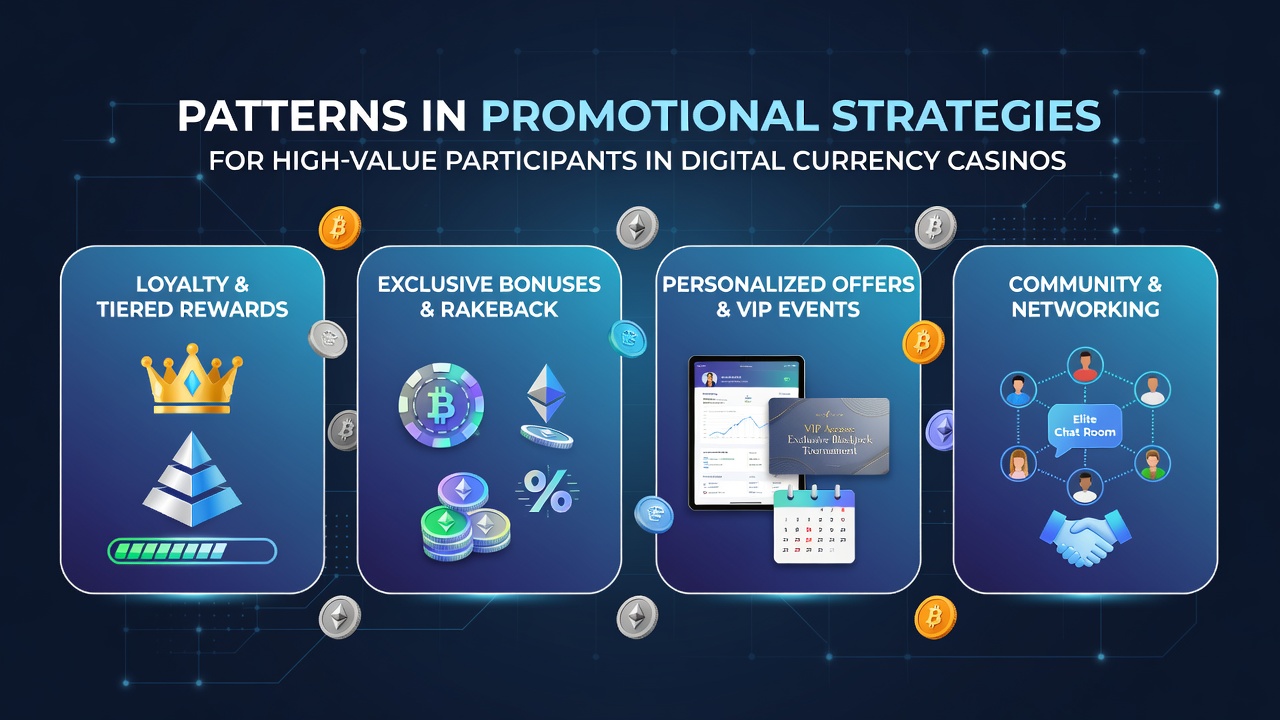
Decoding Incentive Models for Elite Players Across Digital Asset Casinos
Digital currency casinos have developed distinct approaches to attracting and retaining high-value participants, and these patterns reflect adaptations to blockchain transparency, wallet-based transactions, and global user bases. Observers note that platforms often segment users according to deposit volume, wager frequency, and retention metrics, then apply tiered incentive structures that differ markedly from traditional fiat systems.
Core Segmentation Criteria Used by Platforms
High-value participants typically qualify through sustained activity thresholds rather than one-time deposits, which means operators track metrics such as average bet size, session duration, and cross-game engagement. Research from industry monitoring groups shows that many platforms classify users into multiple VIP tiers, with each level unlocking progressively larger match percentages on deposits, reduced house edges on select titles, and dedicated account managers. These classifications update dynamically, allowing rapid movement between tiers when activity patterns shift.
Because cryptocurrency transactions settle quickly and leave immutable records, operators gain clearer visibility into player value compared with slower banking methods. This visibility supports real-time adjustments to offers, including instant reload bonuses or cashback rates scaled to weekly loss amounts. Data from several major platforms indicates that top-tier participants often receive personalized reload schedules delivered directly through wallet notifications.
Common Incentive Structures Observed in 2026
Patterns that emerged by June 2026 include hybrid reward systems combining percentage-based deposit matches with fixed crypto token grants. One recurring model pairs a standard 50 percent match on deposits above a set threshold with an additional allocation of platform-native tokens that carry staking yields. Another structure emphasizes loss rebates paid weekly in the same digital asset used for play, reducing conversion friction for participants who prefer to keep balances in specific cryptocurrencies.
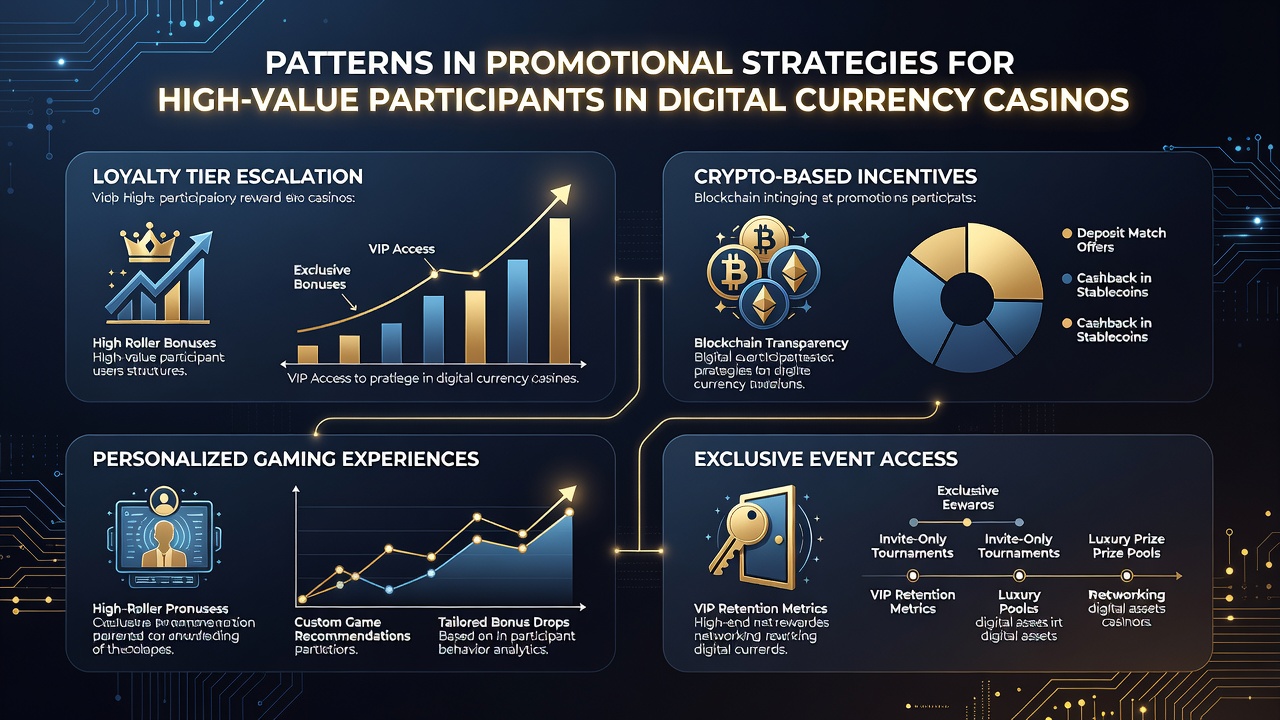
Exclusive event access also appears frequently. Platforms host private tournaments or invite-only live dealer sessions where entry fees are waived or subsidized for qualifying users, and prize pools are denominated in major digital assets. These events often incorporate NFT-based entry tickets that can be traded on secondary markets, adding an extra layer of utility to the promotional package. According to reports compiled by the Gaming Laboratories International, such hybrid digital-physical rewards have shown measurable increases in session length among tracked high-value cohorts.
Crypto-Native Mechanics in VIP Programs
Wallet integration allows operators to deliver time-sensitive offers directly to user addresses, bypassing traditional email or app notification delays. This direct channel supports flash promotions, such as double cashback windows lasting only a few hours, which tend to coincide with major market volatility periods when trading volumes spike. Participants who maintain minimum balances in platform tokens sometimes receive priority access to these windows, creating an incentive to hold rather than immediately withdraw winnings.
Smart contract-based loyalty systems represent another emerging pattern. A limited number of platforms have deployed on-chain loyalty points that accumulate automatically based on wager volume and can be redeemed for bonus credits or traded on decentralized exchanges. Early implementations tracked through public ledgers demonstrate that redemption rates among top participants exceed those of standard point systems by noticeable margins.
Regional Regulatory Influences on Offer Design
Operators serving multiple jurisdictions must adjust promotional language and eligibility rules to align with local requirements. In regions with strict advertising standards, platforms often route high-value offers through private account portals rather than public marketing channels. Figures released by the Responsible Gambling Council of Canada highlight that such private delivery methods have become more prevalent as regulators scrutinize bonus terms across digital channels.
Tax reporting obligations tied to cryptocurrency also shape how rewards are structured. Some platforms now issue detailed on-chain transaction summaries at the end of each calendar quarter, helping participants meet compliance needs without additional administrative overhead. This documentation practice appears most consistently among operators targeting users in jurisdictions with established digital asset taxation frameworks.
Conclusion
Patterns in promotional strategies for high-value participants in digital currency casinos continue to evolve around wallet-native delivery, dynamic tiering, and hybrid reward formats that blend traditional bonuses with blockchain-native assets. These approaches rely on transparent transaction data to calibrate offers precisely, while regulatory variations across regions influence how and where incentives are presented. As activity metrics and compliance requirements shift, operators adjust segmentation criteria and reward mechanics accordingly, maintaining focus on retention through tailored, high-frequency engagement channels.