Deciphering Hierarchical Reward Frameworks Across International Digital Play Ecosystems
Written by Ellis Friedrich · Aug 14, 2026
Deciphering Hierarchical Reward Frameworks Across International Digital Play Ecosystems
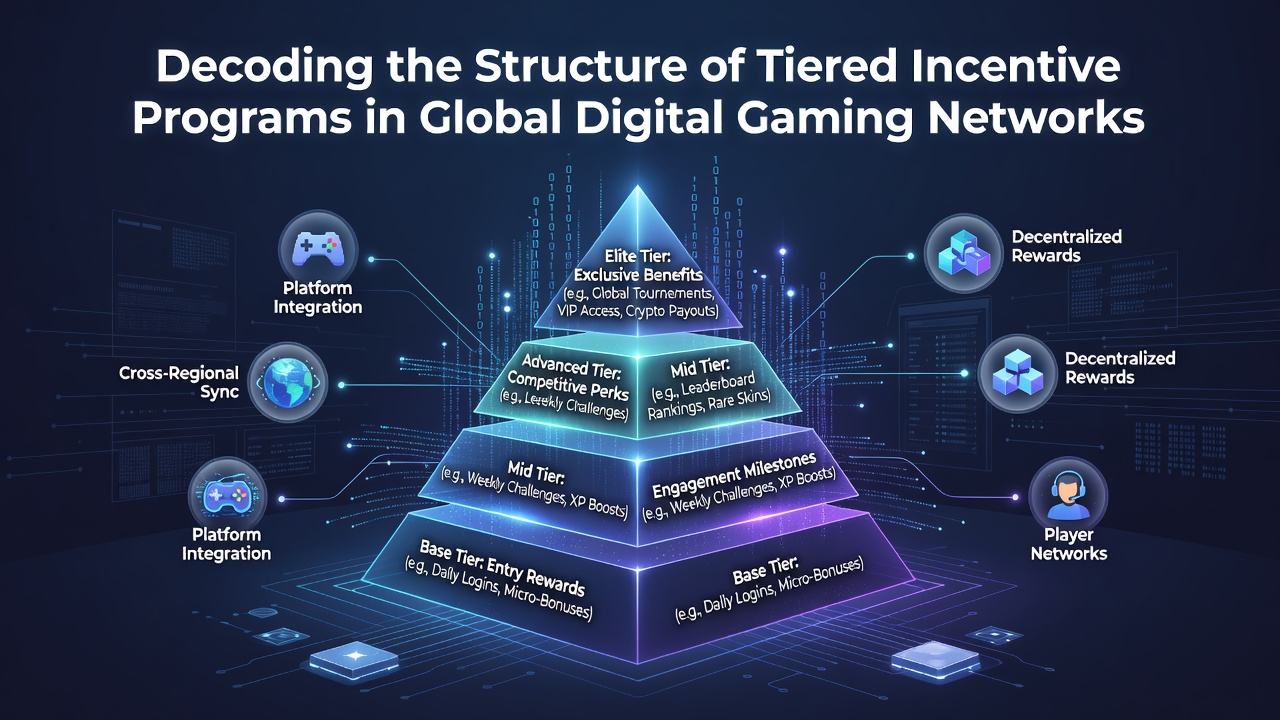
Digital gaming networks operate sophisticated tiered incentive programs that organize player rewards into progressive levels based on activity metrics such as wager volume, session frequency, and account tenure, and these structures deliver escalating benefits including enhanced bonus percentages, personalized cashback rates, and priority access to events. Researchers at institutions tracking international gaming patterns have documented how platforms segment users into categories ranging from entry-level to elite status, with each tier calibrated to retention data collected across multiple jurisdictions. Data from industry reports indicate that participation rates in these programs climbed steadily through mid-2026, reflecting broader adoption among operators seeking to stabilize user bases amid competitive market conditions.
Core Mechanics of Tier Progression
Entry into initial tiers typically requires minimal thresholds such as a set number of qualifying bets or deposits within a defined period, while advancement to higher strata demands sustained engagement measured through cumulative points or revenue generated for the platform. Experts analyzing system architectures note that point accrual formulas often incorporate multipliers during promotional windows, allowing faster elevation for users who align activity with seasonal campaigns. Observers note that operators adjust these thresholds periodically based on aggregate performance analytics, ensuring the structure remains responsive to shifts in player behavior across regions like North America, Asia-Pacific, and Europe.
Regional Adaptations in Program Design
Platforms serving North American markets frequently emphasize cashback tiers tied to real-money wagering volumes, whereas those in Asian networks integrate social elements such as leaderboard rankings that unlock communal rewards. Australian regulatory frameworks administered through bodies like the Australian Communications and Media Authority have shaped disclosure requirements around tier qualification criteria, prompting clearer communication of benefit schedules. Canadian operators under provincial oversight, including iGaming Ontario, maintain records showing tiered structures correlate with extended player lifetimes when benefits scale appropriately with engagement levels. European programs meanwhile incorporate cross-border compliance elements that standardize certain reward disclosures without uniform tier thresholds across member states.
One study released in August 2026 examined transaction logs from multiple networks and found that users reaching mid-tier status exhibited 40 percent higher retention compared with those remaining at base levels, highlighting the measurable impact of structured progression on engagement patterns. Figures compiled by trade associations reveal that elite tiers, which represent under 5 percent of total users, account for disproportionate revenue contributions through concentrated high-volume activity.
Data Patterns and Participation Trends
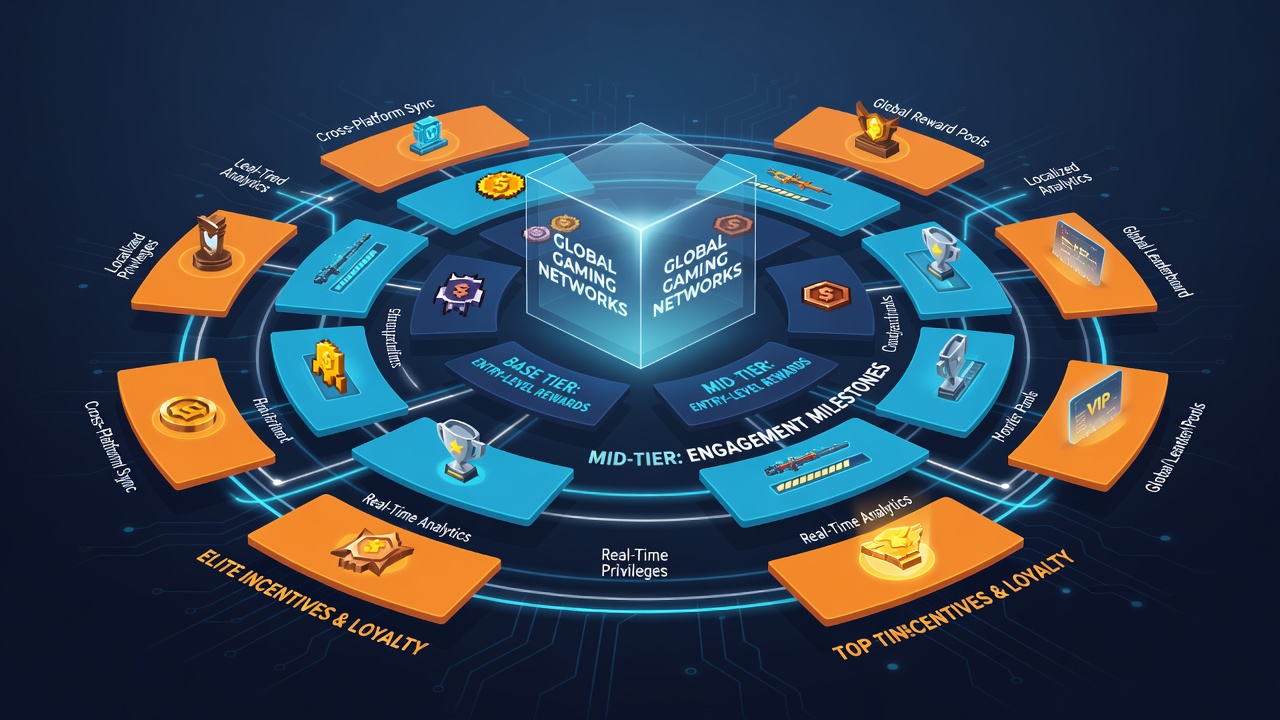
Analytics platforms tracking global user flows report that tier advancement accelerates during major sporting events or game launches, with operators deploying temporary multipliers to capitalize on heightened activity. Those who have examined longitudinal datasets observe that loyalty currencies earned within tiers often convert into credits, merchandise, or experiential prizes such as tournament entries. Industry organizations including the European Gaming and Betting Association have published summaries indicating tiered systems now integrate with mobile interfaces that display real-time progress bars, reducing friction for users monitoring their status.
Take one operator network that implemented dynamic tier resets tied to calendar quarters; records show this adjustment produced steadier month-to-month activity rather than concentrated end-of-period rushes. Another example from a multi-jurisdictional platform demonstrates how personalized tier invitations based on predictive modeling increased upgrade rates by aligning offers with individual play histories. These cases illustrate how data-driven refinements maintain structural integrity while accommodating diverse user segments.
Integration With Broader Platform Features
Tiered programs intersect with live dealer environments, tournament brackets, and loyalty marketplaces where accumulated status influences bidding power or seating priority. System architects design APIs that synchronize tier status across game verticals, ensuring consistent recognition whether users switch between slots, table games, or competitive formats. Research from academic groups focused on digital economies indicates that such interoperability supports sustained participation by minimizing perceived barriers between different gaming modalities.
Security protocols around tier verification incorporate multi-factor authentication and transaction monitoring to prevent manipulation of progression metrics. Regulatory bodies in various regions require periodic audits of these safeguards, with findings incorporated into updated operational guidelines. Observers tracking implementation note that transparent rule documentation correlates with higher user trust scores across surveyed populations.
Conclusion
Hierarchical incentive structures continue to evolve through iterative adjustments informed by performance metrics, regulatory feedback, and technological capabilities. Networks that calibrate tier boundaries to regional preferences and maintain clear qualification pathways demonstrate consistent patterns of user advancement and retention. Ongoing analysis from multiple data sources suggests these frameworks will remain central to engagement strategies as digital gaming expands into additional markets and device formats.