Blockchain Incentives Enhancing Real-Time Access in Decentralized Table Games
Written by Ellis Friedrich · Jul 17, 2026
Blockchain Incentives Enhancing Real-Time Access in Decentralized Table Games
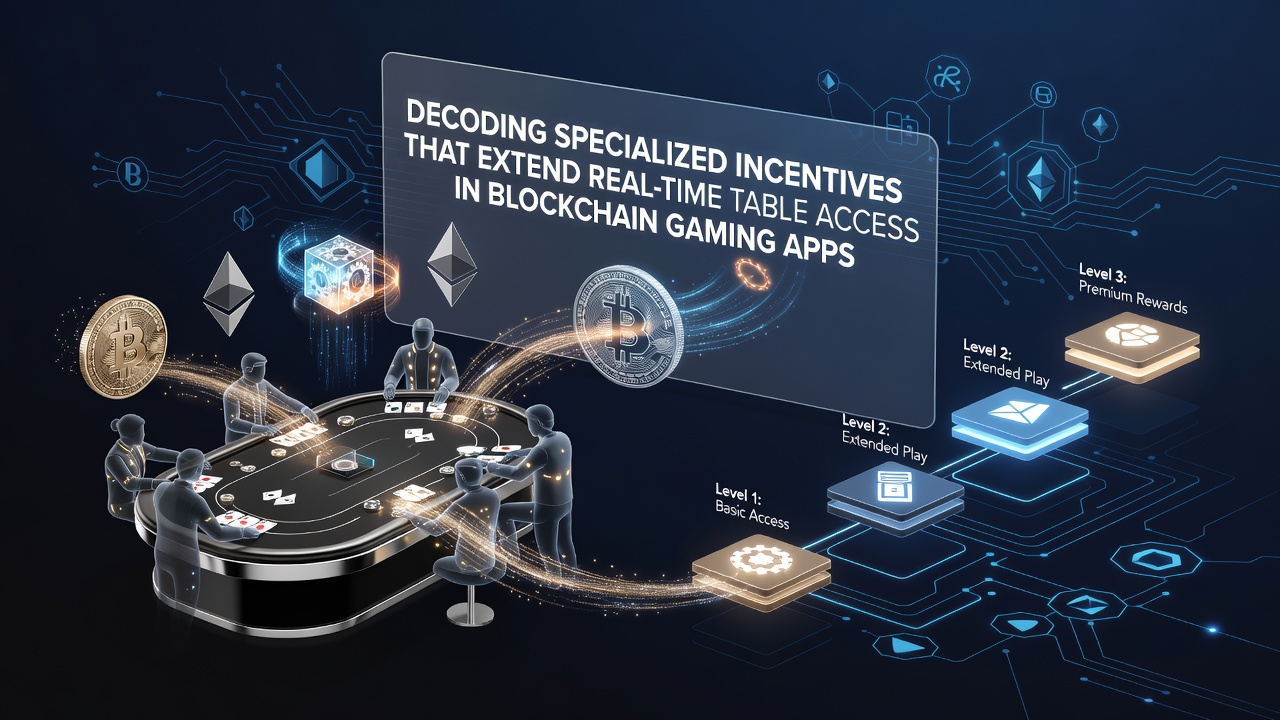
Blockchain gaming applications have integrated specialized incentives that allow players to maintain extended sessions at real-time tables through token staking and smart contract mechanisms, and these systems operate on decentralized networks where access rights get encoded directly into digital assets. Observers note that developers design these rewards to reward consistent participation while leveraging the transparency of distributed ledgers to verify eligibility without centralized intermediaries.
Industry reports indicate that many platforms issue access tokens that function as keys to priority queues or extended play windows, and these tokens often require holders to lock assets in liquidity pools for predetermined periods. Data from various blockchain analytics firms shows participation rates rising when such incentives align with live dealer or multiplayer table formats that demand low-latency connections. Researchers have documented cases where smart contracts automatically extend session durations once players meet volume thresholds measured in on-chain transactions.
Mechanics of Token-Based Table Extensions
Specialized incentives typically combine non-fungible tokens representing table seats with fungible rewards earned during gameplay, while the combination creates layered access models that scale with user activity. One study revealed that platforms using these hybrids reduce wait times for verified holders by routing them through dedicated nodes optimized for real-time synchronization. Players accumulate points through in-game actions that convert into extension credits, and the conversion happens via automated oracles that pull data from both the game engine and the blockchain state.
What's interesting here is how these mechanics differ from traditional loyalty programs because every extension gets recorded immutably, allowing external auditors to confirm compliance without accessing private player data. Figures from decentralized finance integrations show that staking requirements often range between 50 and 500 governance tokens depending on table stakes, with higher tiers unlocking multi-hour extensions that reset upon each qualifying session. Experts have observed that volatility in token prices directly influences participation, as users time their locks during favorable market conditions to maximize access value.
Integration with Live Table Environments
Real-time tables in blockchain applications rely on state channels or layer-two solutions to handle the speed demands of card dealing and betting rounds, and incentive systems overlay these channels by granting temporary boosts to channel capacity for token holders. According to technical documentation from several gaming protocols, extensions activate when contracts detect active table participation above baseline metrics, such as number of hands completed per hour. This approach maintains fairness across the network while prioritizing users who commit resources upfront.
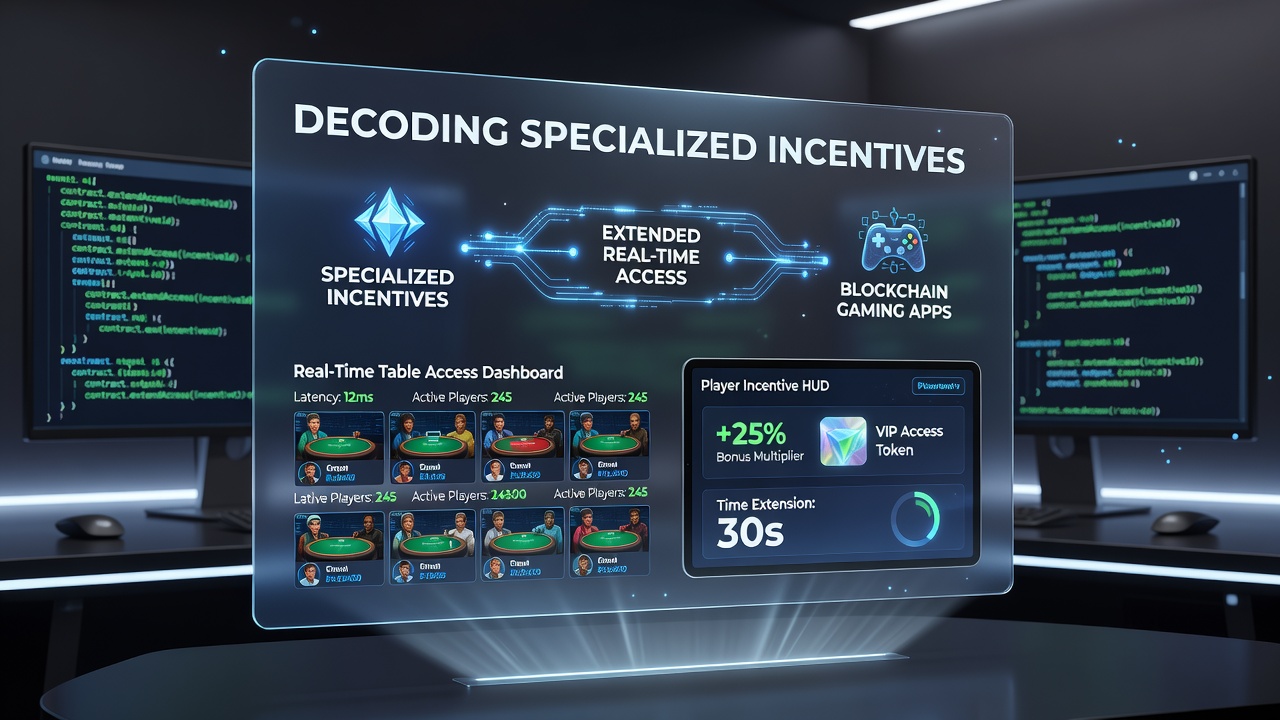
Developers have implemented hybrid models where incentives draw from both in-app economies and external liquidity sources, and this creates pathways for users to trade or transfer access rights on secondary marketplaces. Data indicates that transferability increases overall engagement because players can monetize unused extensions rather than letting them expire. Regulatory frameworks in multiple jurisdictions continue to evolve around these features, with some agencies examining whether tokenized access constitutes a form of gambling product subject to licensing.
Case Examples from Active Platforms
One prominent protocol introduced an extension system in 2024 that ties staking periods directly to table availability windows, and subsequent updates added dynamic pricing based on network congestion levels. Participants who locked assets for 30 days received proportional credits that could stack across multiple tables simultaneously. Another project partnered with a research institution to study retention rates, revealing that incentive-linked players maintained sessions 40 percent longer on average compared to standard users. These findings appear in publicly available whitepapers that detail the underlying contract logic without exposing proprietary algorithms.
Additional implementations use reputation scores derived from on-chain history to modulate incentive effectiveness, and higher scores reduce the token quantity needed for equivalent extensions. Observers note that such reputation systems discourage short-term farming behaviors by requiring sustained positive activity across several weeks or months. External sources including reports from the European Gaming and Betting Association highlight growing interest in standardizing these mechanisms to support cross-platform compatibility.
Future Developments and Regulatory Context
Industry projections suggest continued refinement of incentive structures through 2026, particularly as more jurisdictions clarify rules around decentralized applications. Certain markets plan reviews of compliance requirements around July 2026 that could affect how access tokens interact with payment rails or cross-border transfers. Developers are already testing zero-knowledge proofs to verify eligibility while preserving player anonymity, which addresses privacy concerns raised in academic papers on blockchain scalability.
Additional experiments involve integrating artificial intelligence models to predict optimal incentive distributions based on historical table occupancy data, and early results show improved resource allocation without manual intervention. Organizations such as the Interactive Gaming Council have published guidelines encouraging transparent disclosure of all staking terms and extension conditions to users. These efforts aim to balance innovation with consumer protection across different regulatory environments.
Conclusion
Specialized incentives in blockchain gaming continue to evolve as tools for extending real-time table access, with smart contracts and token economics providing the foundation for verifiable and transferable benefits. Reports from multiple regions demonstrate measurable impacts on session length and user retention when these systems operate effectively. As technical standards mature and regulatory landscapes shift, platforms will likely refine their approaches to maintain compatibility with emerging requirements while preserving the decentralized advantages that distinguish these applications.